
Drain Cleaning · Albany, GA
Drain Cleaning in Albany, GA: Clogged Sinks, Tubs and Main Line Backups
A slow sink is a nuisance. A tub that fills with dirty water while the toilet gurgles is a different problem. This page helps you tell which one you have, what is safe to try yourself and what to ask a plumber who comes out to clear it.
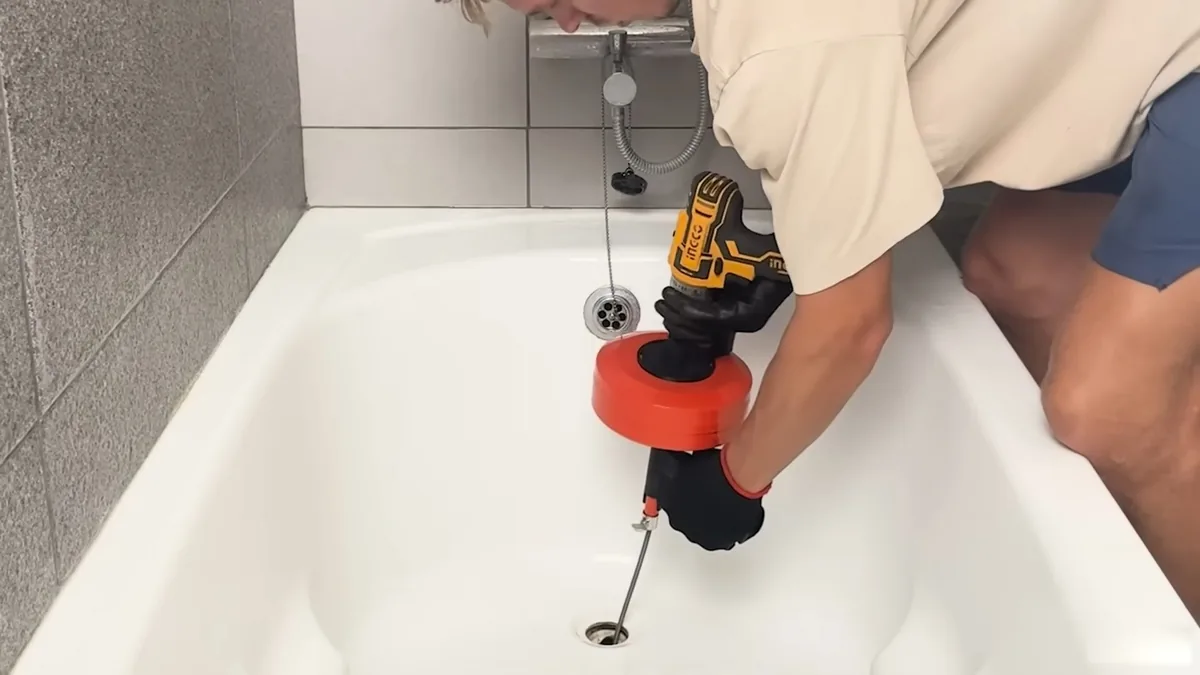
Is it one drain or the whole house?
The first thing to learn is how many fixtures are affected, because that decides what kind of clog you have. A kitchen sink that drains slowly while every other drain runs fine points to a blockage in that fixture's own line, usually grease, food or soap buildup somewhere between the trap and the branch line.
When two or more fixtures are slow at once, or a toilet gurgles when the washing machine drains, the blockage is probably further downstream, in a shared branch or the main line leaving the house. That is a different job, and it is where sewer line work can come into the picture.
| What you notice | Where the clog probably is | Sensible first move |
|---|---|---|
| One sink or tub is slow | That fixture's trap or branch line | Plunge it, then clear the trap if it is under a sink. |
| A toilet and the tub beside it are both slow | The shared bathroom branch | Stop adding water and call. |
| Another fixture gurgles when one runs | A shared branch or the main line | Stop using water and call. |
| Water rising at the lowest drain or a floor drain | The main line or the sewer beyond it | Stop using water, call, and report it to the city if neighbors are affected. |
What you can safely try before you call
A few steps are worth ten minutes. None of them requires tools beyond a plunger, a bucket and gloves.
- Plunge with a cup plunger. Block the overflow opening with a wet rag, cover the drain with water and work the plunger straight up and down without breaking the seal. Use a flange plunger on a toilet, not a cup.
- Clear the trap under a sink. Put a bucket under it, wear gloves and loosen the slip nuts by hand. If a nut will not turn by hand, stop and leave it for the plumber.
- Pull the hair out of a tub or shower drain. Lift the stopper or strainer and remove what you can reach with a plastic drain tool or a gloved hand.
- Flush with hot tap water. Hot from the tap is fine. Boiling water can crack porcelain and soften some plastic pipe.
- Stop there. If the drain is still slow after these steps, the blockage is past what you can reach, and more force from your side only pushes it further in.
Chemical drain cleaners are worth skipping. If one has already been poured and the drain is still blocked, tell the plumber before anyone opens the trap, because the standing liquid can burn skin and eyes.
Cable, jet or camera: what the plumber is choosing between
There are three common tools for clearing a drain, and a plumber should be able to say why they picked one for your line. A cable, often called a snake, drills through a blockage and restores flow. Hydro jetting scours the pipe wall with high-pressure water and suits lines that keep refilling with grease or buildup. A camera shows what is inside the pipe, which is the only way to know whether the problem is debris or damage.
The useful questions are short:
- Which method are you using on this line, and why that one?
- Will you run a camera before or after clearing it?
- What did you find, and can I see the footage?
- If it comes back, what would you look at next?
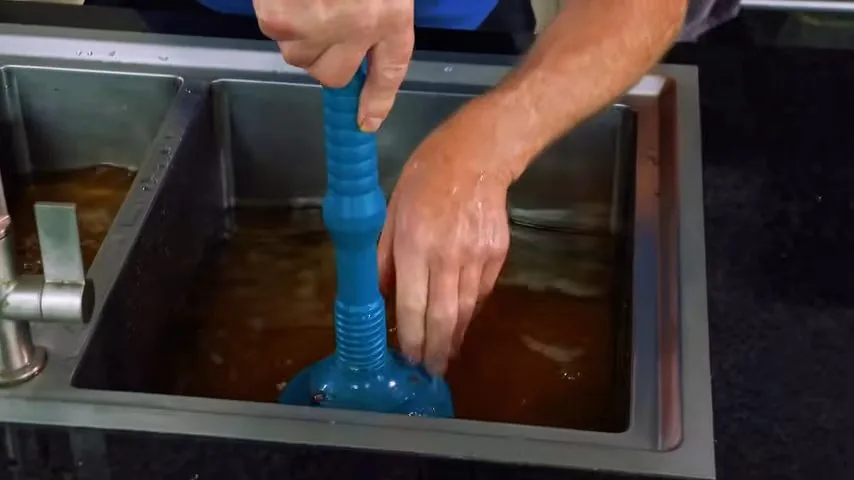
A camera is not an extra when the same drain has been cleared before. It turns a guess into a finding, and it gives you something to hand a landlord, an insurer or a second plumber.
Tell us which fixtures are slow and whether any are backing up. The line is open 24/7.
Why the same drain keeps clogging
A drain that clears and then clogs again within weeks usually has a reason. Kitchen lines collect grease that cools and hardens on the pipe wall, so pour cooking fat into a can instead of the sink, and do not rely on the disposal to grind it away. If the disposal itself hums, jams or leaks, that is a separate repair, covered under garbage disposal repair. Bathroom lines collect hair and soap, which is why the first stopper cleaning is worth repeating.
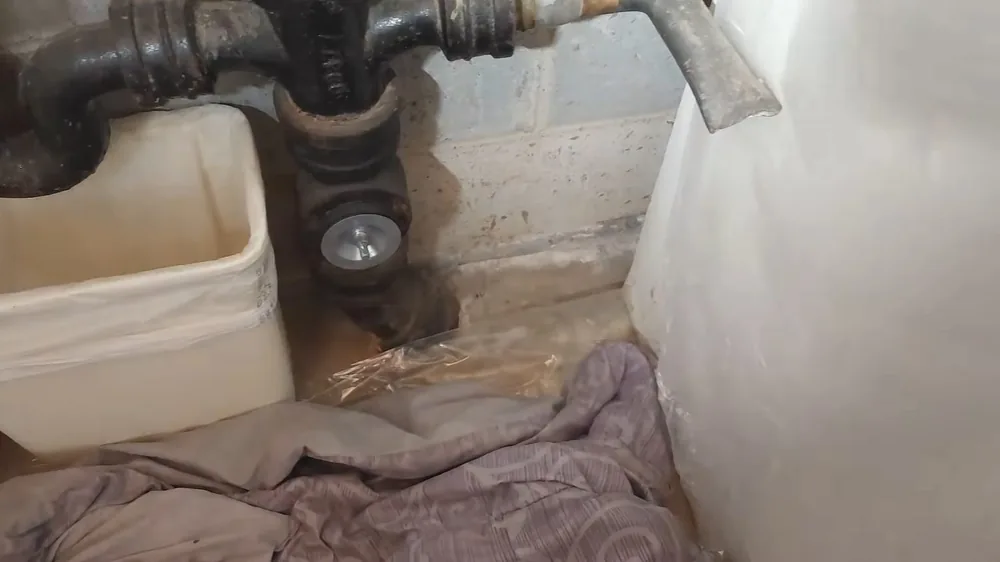
Houses here skew older. In 2019 to 2023 American Community Survey figures as reproduced by Point2Homes, the median home was built in 1974 and 52.4 percent were built between 1950 and 1979. We found no source on which pipe materials those houses carry, so we do not guess. What the age does tell you is that a drain that keeps returning after a proper clearing deserves a camera, because a sagging section or a joint that has shifted holds water and debris no matter how many times it is cleared.
How often should a drain be cleaned? Let the signals decide
There is no honest calendar for this. A kitchen line that handles a lot of cooking behaves differently from a guest bath that is used twice a month, and the numbers published as intervals are generic. Treat these as the signals instead:
- A drain stays slow for more than a few days after plunging.
- The same fixture clogs again soon after it was cleared.
- A drain gurgles, or a smell comes up from it when no one has used it.
- You reach for the plunger more than once a month at the same fixture.
Any one of these is a reason to book a visit and ask for the camera. For lines that fill with grease and buildup, ask whether a hydro jetting visit makes more sense than another cable pass.
Whose pipe is it: the city's, your landlord's or yours?
City of Albany Utilities runs the public sewer. If sewage is coming up at several houses on your street, or the backup began right after the city was working nearby, report it to the Sewer Division at 229-302-1800. After hours the same number reaches an on-call technician, according to the city's Sewer Division page. What the city pages do not say is who owns the lateral, the pipe between your house and the main. We could not find it stated, so we will not guess; ask the Sewer Division, and have your plumber note on the camera footage where the blockage sits.
About 62 percent of occupied homes in Albany are renter-occupied, according to the same survey data. If you rent, tell the landlord or property manager as soon as a main drain is involved, and ask who authorizes the work before a plumber starts. If your home is not on city sewer at all, septic service is outside what this site covers, and the Sewer Division can confirm how your address is served.
Plumbers who work in Georgia hold a state license, and the Secretary of State's plumbers division explains the classes. Ask for the class and the name it is held under before the drain is opened.
Yard drains, French drains and restaurant grease lines
These are not the same job as clearing a sink, and not every plumber takes them. When you call, say what you have: a yard drain, a downspout line, a French drain or a commercial grease line. A yard that floods in heavy rain with no clogged pipe is usually a grading or drainage question and may not be a plumbing one at all, so describe it plainly and let the dispatcher say whether the call can be routed.
For anything inside the house, the choice is the same as above: clear it, camera it, and decide whether the line itself needs work. Slow drains that are really a leak under the sink belong with a leak under the sink.
Drain not clearing? Call the line
Tell the dispatcher which fixtures are slow and whether anything is backing up, and the call is routed to a plumber serving your area.