
Repiping · Albany, GA
Whole-House Repiping in Albany, GA: When Patching Leaks Stops Making Sense
Repiping replaces the water supply lines inside a house. It is a large job, so the real question is how to tell a pipe that needs replacing from a leak that needs fixing, and how to keep the work and the mess predictable.
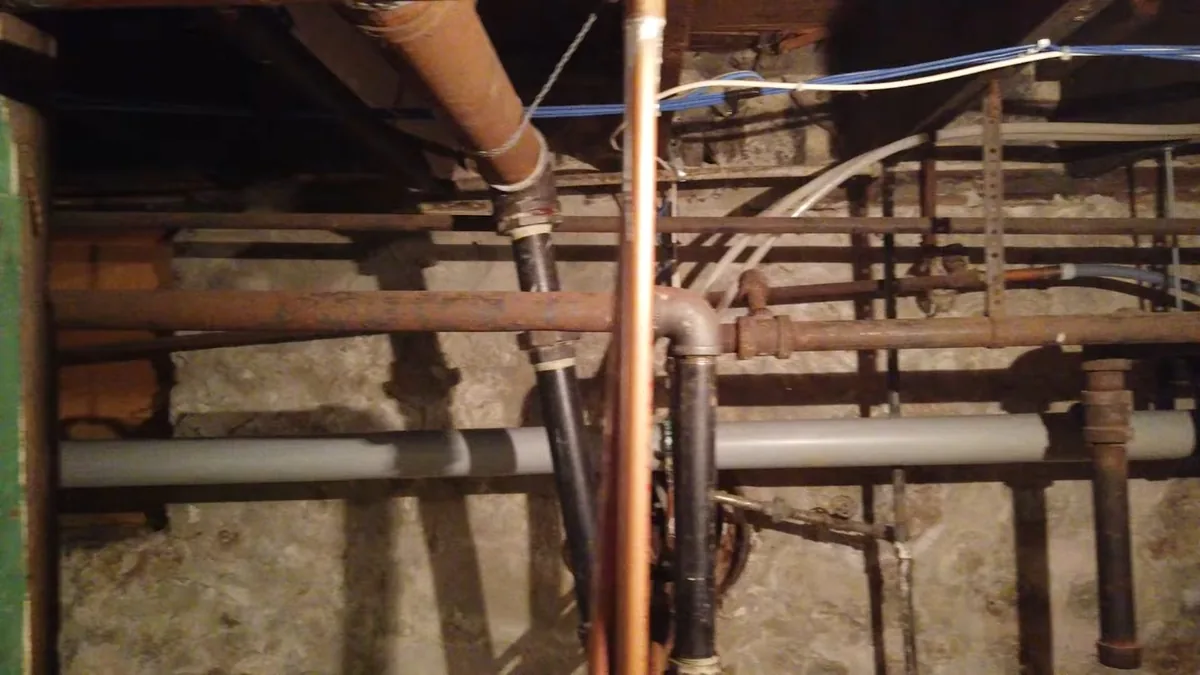
Repair the leak, or replace the pipe?
One leak does not mean a house needs new pipes. A single failed fitting, a frozen section or a worn connector is a repair, and it belongs on the leak detection or burst pipe pages. Repiping becomes a serious question when the pattern changes: the same kind of leak keeps appearing in different places, or the pipe itself looks to be wearing out.
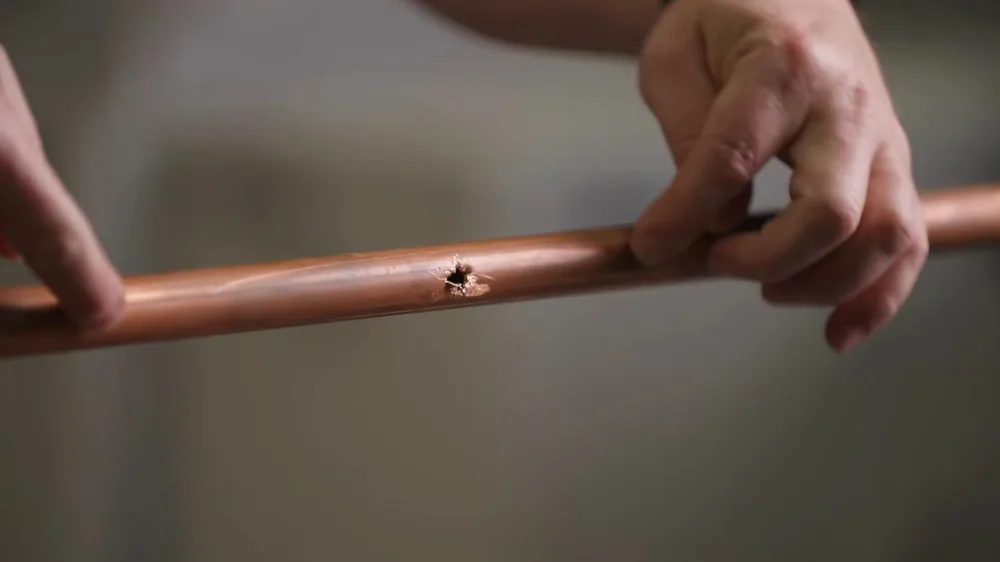
- Leaks have shown up in two or more separate spots within a few years.
- Water from the tap runs brown or rusty for a while after sitting unused.
- Water pressure has dropped at several fixtures, not only one.
- Visible pipe is corroded, flaking or crusted at the joints.
- A plumber who has seen the pipe says it is at the end of its life, and shows you why.
Any of these is worth a camera or a physical look. None of them proves a repipe is needed, and a company that recommends one over the phone, without seeing the pipe, is selling before diagnosing.
Spot repair, partial repipe or whole house: what each replaces
| Option | What it replaces | Where it fits | What to ask |
|---|---|---|---|
| Spot repair | One failed section or fitting | A single, isolated problem on otherwise sound pipe | Is the pipe around it in the same shape? |
| Partial repipe | One run, such as the kitchen and bath on one side | Trouble confined to one zone, or a leak in a hard-to-reach line | Will the new run connect cleanly to the old pipe? |
| Whole-house repipe | All the supply lines, hot and cold | Failing pipe throughout, or repeat leaks across zones | How many walls and ceilings will be opened? |
Repiping covers the supply side, the pressurized pipes that bring water to the fixtures. Drain and sewer lines are a separate system, handled on the sewer and drain line page. A plumber should be clear about which pipes are in the quote, because a sheet that says "repipe" and does not name the hot and cold lines leaves room for argument later.
Tell the dispatcher where the leaks have been and how old the house is. The line is open 24/7.
What the written scope should list
Because repiping touches walls, ceilings and sometimes floors, the estimate is only useful if it says what is included. These are the items to see in writing.
- The pipe material, and the manufacturer's warranty alongside the plumber's own workmanship terms.
- Which fixtures, valves and shutoffs are replaced, including the main shutoff and the water heater connections.
- The route the new pipe takes, and where walls, ceilings or floors must be opened.
- Who repairs drywall, paint and flooring afterward, and whether that is in the quote.
- How long the water will be off, and whether it is restored overnight.
- The permit and the inspection, and who arranges them.
- Pressure testing before anything is closed up.
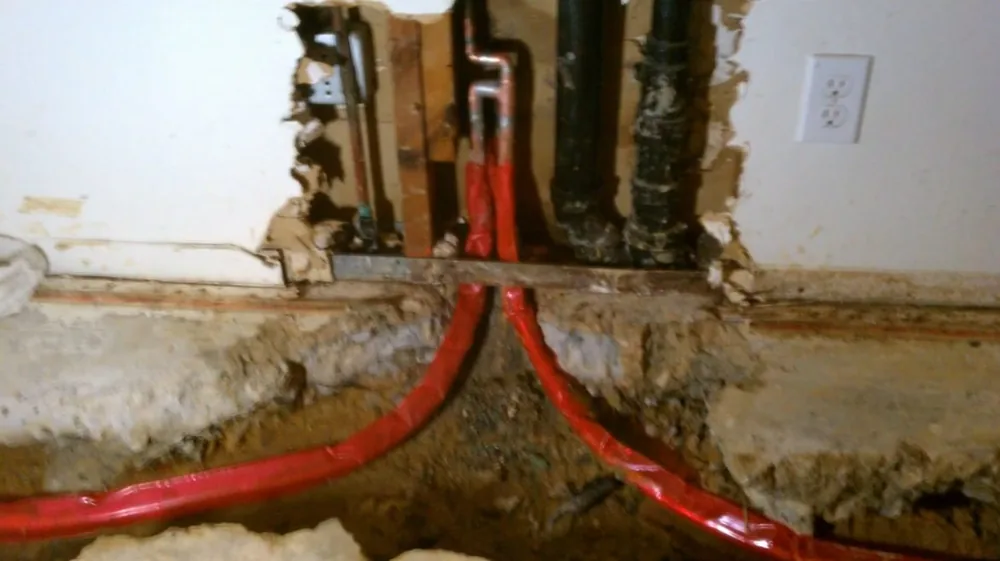
A quote that skips wall repair has not made the cost disappear; it has moved it to you. Compare scopes, not totals, using the notes on how quotes are structured.
Living through a repipe
A whole-house job is disruptive but not endless. The sequence below is typical, and knowing it makes the plan easier to follow.
- Walk-through. The plumber marks where walls will be opened and where fixtures sit.
- Protect and prepare. Floors are covered, furniture moved away and the water shut off at the main.
- Open and run. Access holes are cut, the old lines are disconnected and new lines are run and connected to every fixture.
- Test. The system is pressurized and checked for leaks before anything is closed.
- Close and restore. Access holes are patched, the water comes back on and the inspection is scheduled.
Ask where the household will wash and use the toilet while the water is off, and whether the plumber can restore it in the evening of each work day. A house with one bathroom needs a plan.
Does your Albany home's age put its pipes at risk?
The median Albany home was built in 1974, and 52.4 percent of homes date from 1950 to 1979, according to American Community Survey figures reproduced by Point2Homes. The age alone does not tell you which supply-pipe material your house carries, or whether it is the kind that tends to fail, so have the pipe identified before you plan around it.
Hard water is another factor to ask about. The U.S. Geological Survey describes the Upper Floridan aquifer as yielding hard, calcium bicarbonate-type water, in a 1987 report. The city's 2025 water quality report gives no hardness value, so a test of your own water is the way to learn how fast scale is building in your lines. If you repipe, ask whether a test and a softener options belong in the plan.
Freezes also reach the pipes. A February 2026 WALB report quoted a South Georgia plumber who blamed poor insulation for most of his frozen-pipe calls. When a repipe opens walls and attics, it is the time to insulate lines that run on exterior walls.
Permits, licenses and who signs off
Plumbing permits in the city come from Development Services, and inspections are booked by appointment. Whether a repipe needs a permit is a question for the plumber and the office, not a guess. Ask who applies, who books the inspection and what happens if the inspector wants a change, before the first wall is opened. The process is described on the water heater installation page, and it applies the same way here.
Georgia licenses plumbers in classes (journeyman, Class I master with a limited scope and Class II master), so ask for the plumber's class and verify it through the Secretary of State's page. If you rent, a repipe is the landlord's decision; if you own a commercial property, say so when you call.
Keep the written scope, any warranty paperwork and the inspection sign-off together in one folder after the job. A future buyer, an insurer or the next plumber may ask for them, and a house with open walls repaired once should not need to be opened again to find out what was done.
Thinking about repiping? Call the line
Tell the dispatcher where the leaks have been and how old the house is, and the call is routed to a plumber serving your area.