Water Heater Repair · Albany, GA
Water Heater Repair in Albany, GA: Leaking Tank, Lukewarm Water or No Heat
Water on the floor, a shower that never warms up or a tank that has gone quiet: each points to a different fault. Start with what you can see, then decide whether the heater is worth repairing or has reached the point where replacing it is the better call.
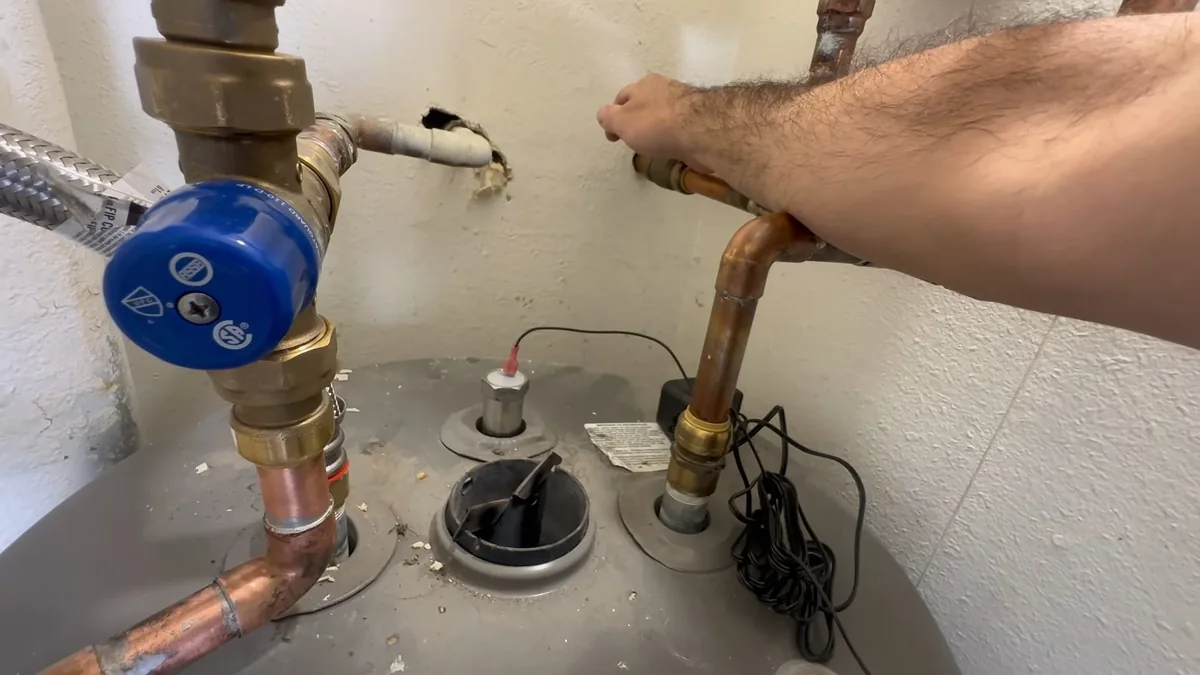
Four common water heater symptoms and how urgent each is
Most calls about a water heater begin with one of four symptoms, and the first job is separating them, because they have different urgency. Water around the base is the one that cannot wait. Everything else can usually be handled the next business day, as long as the heater is not dripping.
| What you see | What it often means | How urgent |
|---|---|---|
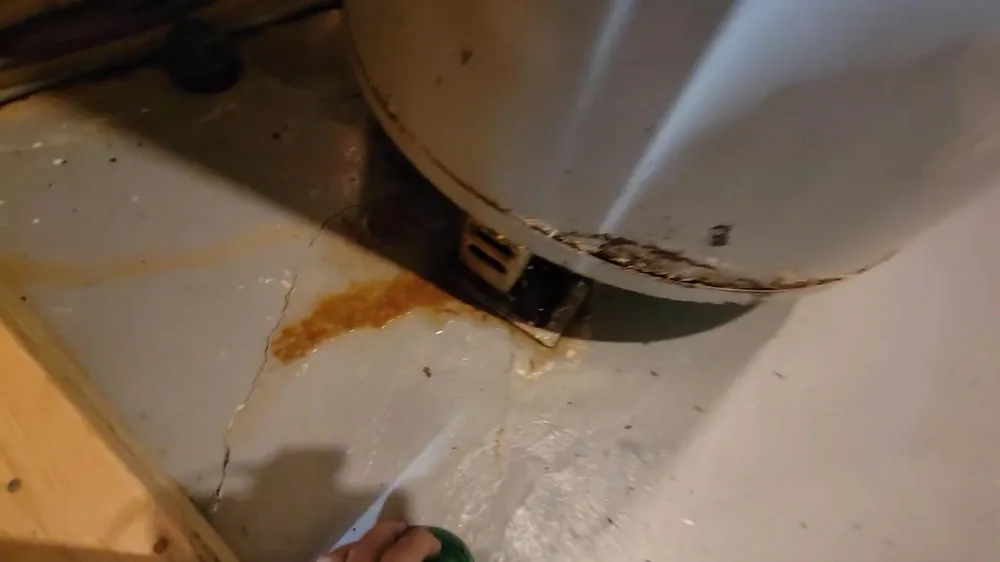
| Water pooling around the base | A leak at a fitting or valve, or a leak from the tank body itself | Call now. Close the cold supply valve at the heater if you can reach it safely. |
| No hot water at all | A tripped breaker, a failed element or thermostat on an electric unit, or a pilot or burner problem on a gas unit | Same day if you can, since nothing is leaking. |
| Lukewarm water, or hot water that runs out fast | A failed element, a sediment-coated tank or a thermostat set too low | Book a visit. |
| Rumbling, popping or hissing from the tank | Sediment, usually, which the heater has been boiling around | Book a visit and mention the noise. |
A tank that leaks from its body rather than from a fitting is almost never worth repairing. A leak at a valve, a connection or the relief valve often is. Telling those apart is the first thing the plumber will do, and it is worth looking for yourself before they arrive: is the water coming from a pipe fitting on top, from the relief valve discharge, or from underneath the jacket?
Safe water heater checks: test the taps and the breaker
These checks tell you what to say on the phone. They stay on the safe side of the line between a homeowner check and a plumber's job.
- Find out if it is just the heater. Run a hot tap at the sink farthest from the tank and at one close to it. If hot water is missing everywhere, the fault is at the heater. If only one faucet is cold, the heater is probably fine.
- Look at the breaker on an electric unit. If the breaker for the heater has tripped, switch it off and on once. If it trips again, stop and tell the plumber.
- Check the temperature setting. A dial set low, or one that was bumped, can mimic a failure.
- Look for the source of any water. Note whether it is dripping from a pipe on top, from the relief valve pipe or from the bottom of the tank, and take a photo.
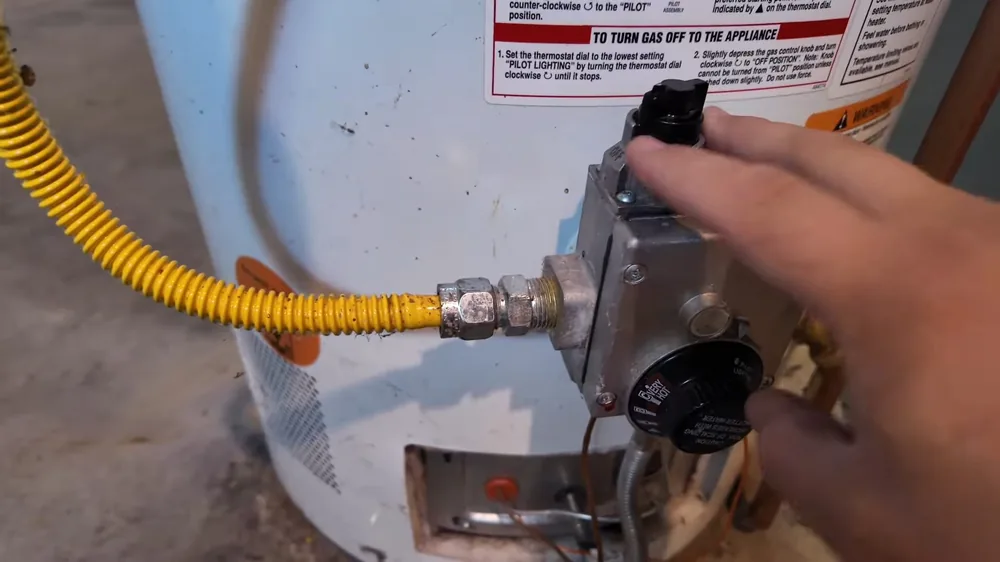
- Leave the gas side alone. If the heater is gas and you smell gas, leave the building, call 911 and notify the gas department at City of Albany Utilities. Do not relight a pilot in a house that smells of gas.
What these checks cannot tell you is whether the heater has been quietly failing for months. A heater that has been leaking slowly into a closet can rot a floor before anyone sees it, so ask the plumber to look at the surrounding wall and floor as well as the tank.
Repair or replace: five questions that settle it
The honest answer depends on the heater, not on a rule of thumb. We have not found a reliable local figure for how long heaters last in Albany, so use these questions and ask the plumber to answer them in writing.
- How old is it? The rating label on the tank carries a serial number that encodes the manufacture date. Ask the plumber to read it to you.
- Is the tank itself leaking or corroded? A leak from the tank body means replacement. A leak at a fitting is a repair.
- What has been repaired already? A second or third repair in a short stretch points toward replacement.
- What does the repair cost against replacement? Ask for both numbers so you can compare them. Our guide to plumbing costs explains how quotes are built.
- What else is wrong? Corroded shutoff valves, a failing relief valve or old flex connectors should be priced with the heater, not discovered afterward.
If the answer points to replacement, see water heater installation. If you are curious about on-demand units while you are deciding, tankless water heaters has its own page.
Close the cold supply valve at the heater if you can, then call. The line is open 24/7.
Gas or electric: what changes in the repair
Electric heaters fail at the heating elements and thermostats, parts that can often be replaced without removing the tank. Gas heaters add a burner, a thermocouple or igniter, a gas control valve and a vent. They also bring a safety question. Any gas smell, any sooty scorching near the vent and any sign that the flue is not drawing is a reason to stop and call.
Say which fuel you have when you call. It tells the dispatcher what kind of parts and what kind of visit to expect, and it tells you what to keep your hands off in the meantime. A gas smell is never a repair call first. Leave, call 911 and then notify the gas department at City of Albany Utilities.
If the heater is leaking at a fixture connection and a nearby faucet or supply line is also failing, ask the plumber to quote both in one visit. One trip for two related repairs is usually easier on the house and the schedule than two separate ones.
When a repair turns into a replacement, the Albany permit comes with it
No Albany city page we found says whether a minor repair needs a permit, so ask the city or the plumber about anything borderline. A replacement is another matter: the city's February 2026 list of issued permits shows residential plumbing permits for tank swaps. If the visit is heading toward a new heater, ask who pulls the permit before the old one leaves the house.
The steps, the inspection rules and the code the city applies are laid out in the permit steps for a replacement.
Hard water, scale and what it does to a heater
Scale from hard water builds on heating elements and on the tank floor, a common reason for popping noises and for lukewarm water from an electric unit. Flushing the tank on the manufacturer's schedule slows it, and the water softener page covers treating the water itself.
The practical step is to ask the plumber whether scale is present when the heater is opened, and to test your water before buying anything. If scale keeps returning, a water softener is the next conversation, not another element.
Heaters in sheds, garages and closets
Albany does get hard freezes. A February 2026 WALB report quoted a South Georgia plumber who traced many of his frozen-pipe calls to thin insulation, one of them a pipe in a shed that housed a water heater. If yours sits in a garage, a shed or an unheated utility space, insulate the pipes running to it and learn where its shutoff is before the next cold snap. If a pipe does split, the page on repairing a split supply line walks through it.
A closet heater has the opposite risk: a slow leak can run for weeks behind a door. Ask the plumber to check for stains and soft flooring around the base while they are there. Plumbers who work in Georgia hold a state license, and the state's plumber license classes page lists how to verify one.
No hot water or a leaking tank? Call the line
Say whether the heater is gas or electric and where the water is coming from, and the call is routed to a plumber serving your area.