
Slab Leak Repair · Albany, GA
Slab Leak Repair in Albany, GA: Warm Floor Spots, Hidden Running Water and a Bill That Keeps Climbing
A leak under a concrete floor is out of sight, and the clues are small: a warm patch, a faint hiss, a meter that moves when nobody is home. This page is for working out whether you really have one, and what a sound repair plan looks like.
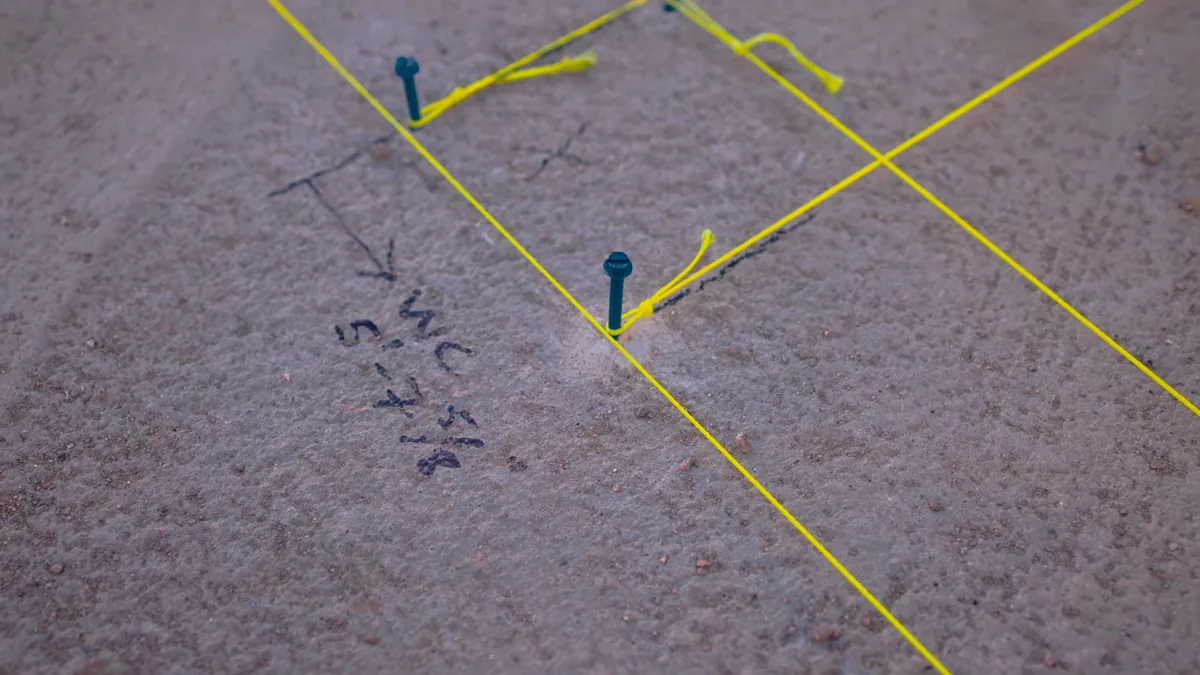
First, is your house on a slab at all?
The term only applies if the floor is a poured concrete slab with pipes in or under it. We found no source that tells us how many Albany homes are built on slabs, and none that says how many sit over crawlspaces, so we will not tell you which kind is typical. Check your own house. If you can walk under it, it is a crawlspace, and a leak there is easier to reach and is handled as an ordinary hidden leak search.
If you are not sure, the home inspection report, the closing papers or the landlord will usually say. A plumber can also tell from the first visit. It matters because the repair options, the cost and the disruption are very different, and a company that quotes slab work without asking the question is guessing.
Signs that point under the floor
| What you notice | What it can mean | What to do first |
|---|---|---|
| A warm or hot spot on a tile or concrete floor | A hot water line leaking beneath it | Keep feet and pets off it, note the spot, and turn the water heater down if it is gas or electric and safe to reach. |
| The sound of running water when every fixture is off | A pressurized line losing water somewhere | Listen near walls and floors at night, then do the meter test below. |
| Damp carpet, lifting flooring or a musty smell with no visible source | Moisture rising through the slab | Photograph it and note where it started. |
| A water bill that rose with no change in use | Any leak, indoor or in the yard line | Run the meter test before assuming the slab. |
| Low hot water pressure with normal cold | A hot line leaking before it reaches the fixtures | Mention it when you call; it narrows the search. |
None of these proves a slab leak. A running toilet, a dripping fixture or a yard line can produce the same bill and some of the same sounds, which is why the confirmation steps below come before any quote for cutting concrete.
Run a meter test before anyone opens the floor
You can do the first test yourself. Turn off every fixture and appliance that uses water, including the ice maker. Find the water meter, look at the low-flow indicator or the dial, and see whether it moves. If it moves with everything off, water is leaving somewhere. City of Albany Utilities, at 229-883-8330, can tell you where the meter is read if you cannot find it.
- Run the meter test. With all water off, watch the indicator for several minutes. Movement means a leak between the meter and the fixtures.
- Close the house shutoff. If the meter stops, the leak is inside the house. If it keeps moving, the leak is in the line between the meter and the house.
- Separate hot from cold. A plumber can isolate the hot side at the heater and see which side the meter follows.
- Locate it with equipment. Acoustic listening gear, thermal imaging and pressure testing narrow it to a small area before any cutting.
- Get the finding in writing. Ask for the location marked on a sketch or photo, with the method used to find it.
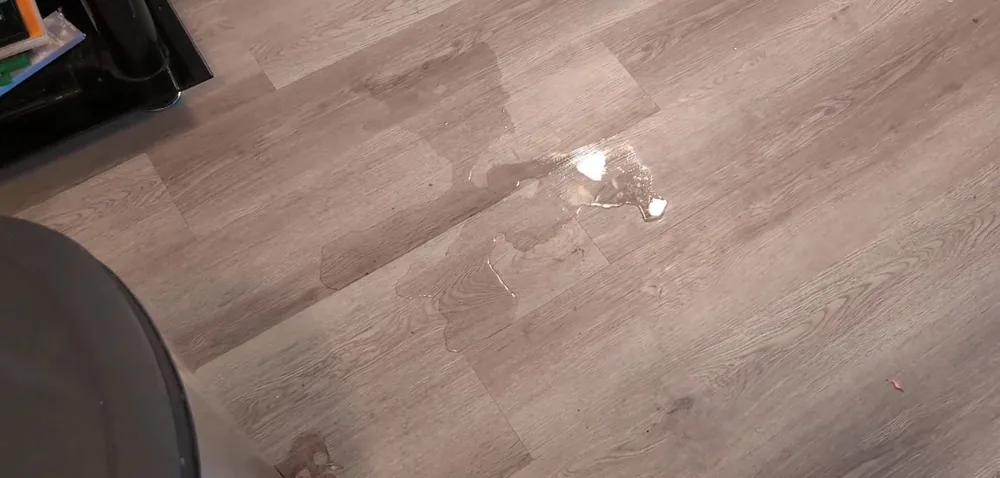
A plumber who proposes to cut the slab based only on a guess is skipping the step that protects you from extra damage.
Tell the dispatcher what the meter does and where the floor feels warm. The line is open 24/7.
Three ways a slab leak gets fixed
| Approach | What happens | Where it fits | What to ask |
|---|---|---|---|
| Spot repair through the slab | The floor is opened over the leak, the pipe is repaired, and the concrete is patched | One clearly located leak on an otherwise sound line | Who repairs the flooring and the patch, and is it in the quote? |
| Reroute the line | A new line is run through walls or the attic, and the old one under the slab is abandoned | A line that has leaked more than once, or sits where access is hard | Which walls or ceilings are opened, and who closes them? |
| Repipe the affected run or the house | Old supply lines are replaced, often with a flexible plastic pipe | Pipes that are failing in several places | Compare against the whole-house repiping page before agreeing. |
A rerouted line can also be a no-dig method in some cases; the lining side is explained on the trenchless page, though that page is about sewer lines rather than pressurized supply pipes.
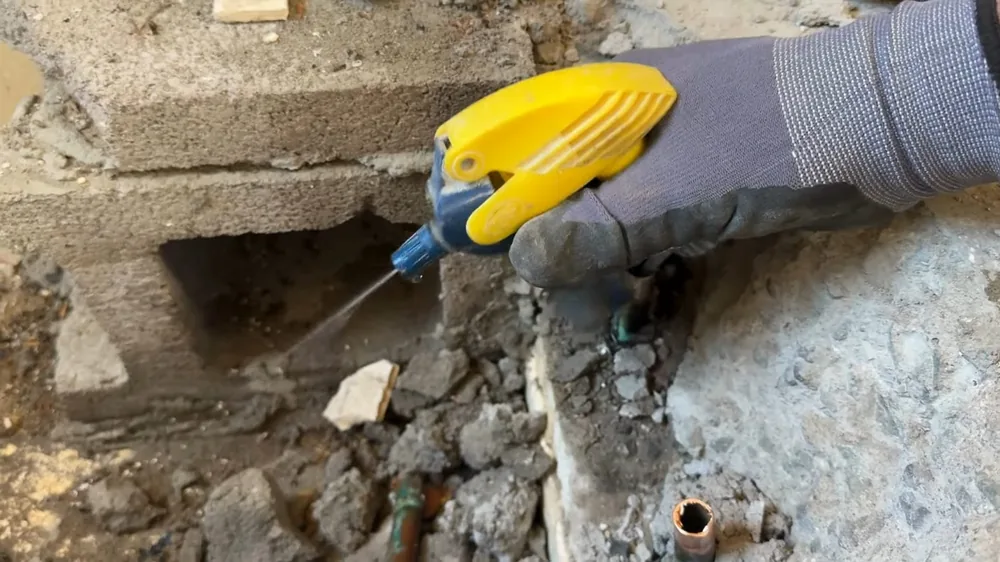
Written slab leak estimate: items to ask for before you agree
Slab work is invasive, so the estimate should read like a plan. Before you agree, ask for these items:
- The method used to find the leak and a marked location.
- Which approach is proposed and why the others were rejected.
- Who repairs the floor covering, patches the concrete and cleans up the dust.
- Whether the job includes drying, since concrete and the material around it can hold water.
- What happens if more leaks are found once the pipe is exposed.
- Who handles any permit and inspection.
The last point is open locally. The city's Development Services office at (229) 438-3901 issues plumbing permits, and its pages do not say whether slab repairs need one, so ask the city or the plumber, and ask who books an inspection. For a plan to dry the area afterward, see drying out the area afterward.
Slab leaks in older rented homes: who authorizes the repair
The median Albany home was built in 1974, according to American Community Survey figures reproduced by Point2Homes, so many homes carry plumbing that is decades old. No source we found names the pipe materials, so a plumber who sees yours is the only reliable answer.
About 62 percent of homes are renter-occupied in the same data. If you rent, the repair is the landlord's to authorize, so tell the landlord or property manager as soon as you suspect a leak and keep the dates. If the leak is in the yard line, Georgia 811 asks for three business days' notice before digging, with hand digging within 18 inches of marked lines.
For an insurer, keep the meter readings, the bills, the plumber's written finding and photographs. Policies differ on whether they cover the pipe, the access or only the resulting damage, so ask before work begins. Check the plumber's Georgia license class on the Secretary of State's page. If your property is commercial, say so when you call.
Suspect a leak under the floor? Call the line
Tell the dispatcher what the meter does and where the floor feels warm, and the call is routed to a plumber serving your area.