Hydro Jetting · Albany, GA
Hydro Jetting Services in Albany, GA: When High-Pressure Water Beats a Cable
A cable punches a hole through a clog. A jetting hose scrubs the pipe wall clean. Which one a line needs depends on what is stuck to it, and on whether the pipe can take the pressure.
What jetting does that a cable cannot
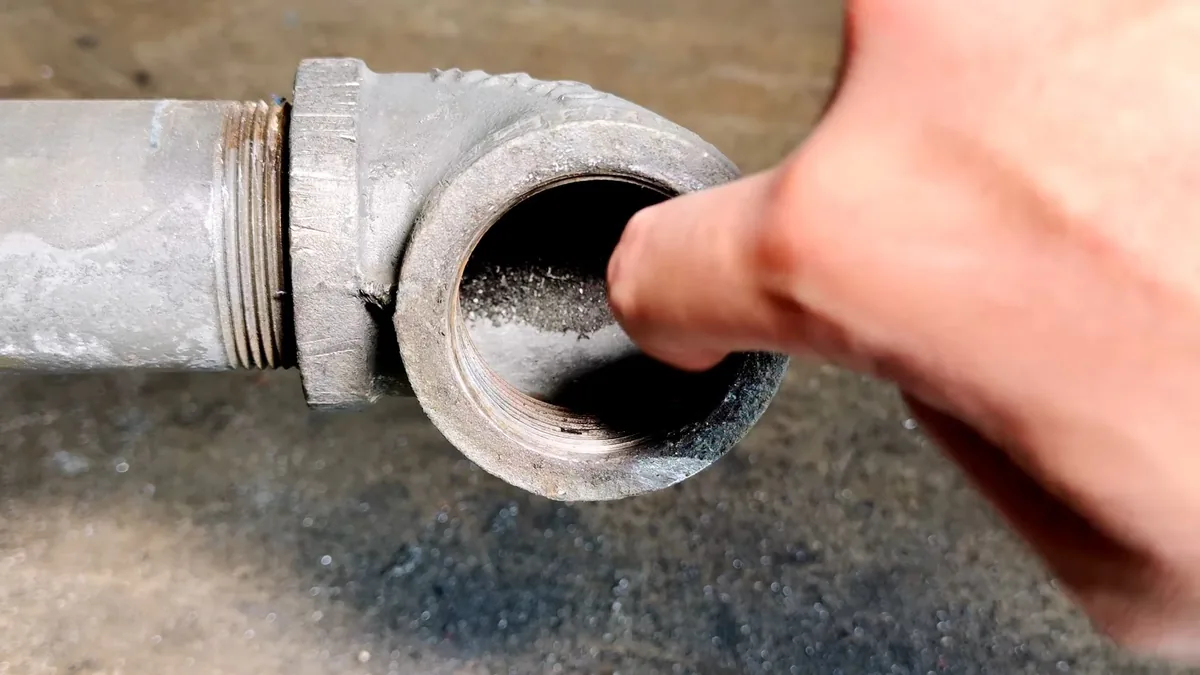
A drain cable, or snake, breaks through a blockage and restores flow, but it often leaves a film of grease, scale and buildup on the pipe wall. That film is what the next clog forms on. Hydro jetting feeds a hose with a high-pressure nozzle into the line and scours the wall, flushing the debris out with the water. The result, when it suits the pipe, is a line that behaves like a clean one rather than one with a hole in it.
That is why jetting is described as a specialist service, and why it sits apart from ordinary drain cleaning. For a single slow sink, a cable or a plunger is the sensible tool. Jetting earns its place on lines that keep refilling.
Is your line a good candidate?
| What you have | Jetting is often worth asking about | Be cautious |
|---|---|---|
| A kitchen line that keeps clogging with grease | Yes, grease is what jetting strips well | A cracked or collapsed section can be made worse |
| A main line that clogs every few months | Yes, after a camera confirms the pipe is sound | A fragile or heavily corroded pipe may not tolerate pressure |
| Slow drains from scale in older lines | Possible | Heavy scale on old pipe can hide thin walls |
| A line with a known break or offset | Not until it is repaired | Jetting does not fix a defect |
The pattern in the table is simple. Jetting cleans; it does not repair. That is why a camera should run before the hose goes in and, often, after it comes out.
What to ask before the hose goes in
These questions apply to any jetting visit, and a plumber should answer them without hesitation.
- Have you run a camera on this line first, and what did it show?
- Is there a cleanout the hose can enter, or does it have to go in through a fixture?
- What pressure and nozzle are you using on this pipe, and why?
- What will you do if the camera shows a defect once the line is clean?
- Will you run the camera again afterward and show me the footage?
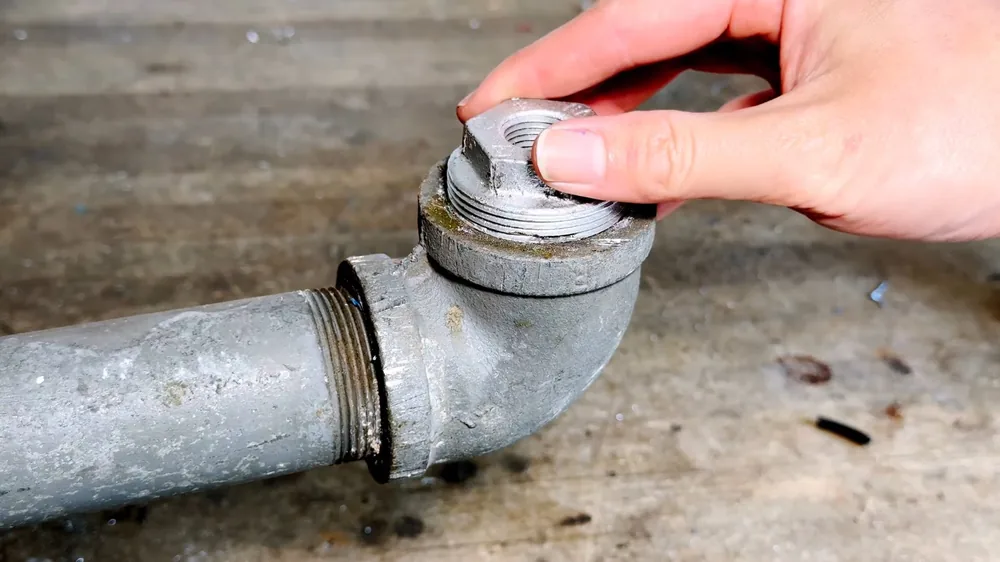
A cleanout makes a big difference. Without one, the plumber may have to pull a toilet to get in, which adds time and risk. If you do not know where your cleanout is, say so when you call.
Tell the dispatcher how often it clogs and where. The line is open 24/7.
Scale, grease and roots: three different jobs
Each of the three things jetting is used against behaves differently. Grease softens and washes out, and it returns if the habit that put it there continues. Scale is mineral buildup that hard water encourages, and it is stubborn: jetting can remove loose scale but cannot undo a pipe that has narrowed over decades.
Roots are a different matter. Jetting and cutting nozzles can clear roots that have entered a line, but roots enter through cracks and joints, so a line that has been cleared of roots is a line that may need a proper repair before they return. Ask the plumber whether the camera showed the entry point.
What a jetting visit looks like, step by step
Knowing the sequence makes it easy to tell when a step has been skipped.
- Access. The plumber finds the cleanout, or pulls a fixture if there is none, and sets up the hose and a catch point for debris.
- Camera first. A camera finds the blockage, any damage and the pipe material.
- Jetting. The hose goes in with a nozzle matched to the pipe, and the line is worked in passes, forward and back.
- Flush. Water runs until it clears, and large debris is removed rather than pushed downstream.
- Camera again. A second pass confirms the wall is clean, and the footage is shown or sent to you.
If a visit ends without the second camera pass, you have only the plumber's word that the line is clean. Ask for it when you book.
Jetting schedule: signals that a line needs another visit
There is no honest calendar, so we do not publish one. Treat the signals as the schedule: a line that clogs again within a few months of being cleared, a kitchen line that has had grease problems twice, or gurgling at other fixtures when one drains.
For a restaurant or any business with a grease-heavy line, jetting is a routine part of upkeep, and the right interval depends on volume. Say it is a commercial property when you call, since the dispatcher has to know what kind of line it is.
The prevention side matters as much. Cooking fat goes in a can, not the sink, and hair and soap are caught at the drain. Jetting without that habit is paying to clear the same buildup.
Older lines, and what the camera protects you from
Many Albany houses are decades old, and no source we found says which pipe materials they carry. That gap is exactly why the camera comes first. High pressure on a pipe in poor condition can damage it. A plumber who jets without looking is taking that risk on your behalf.
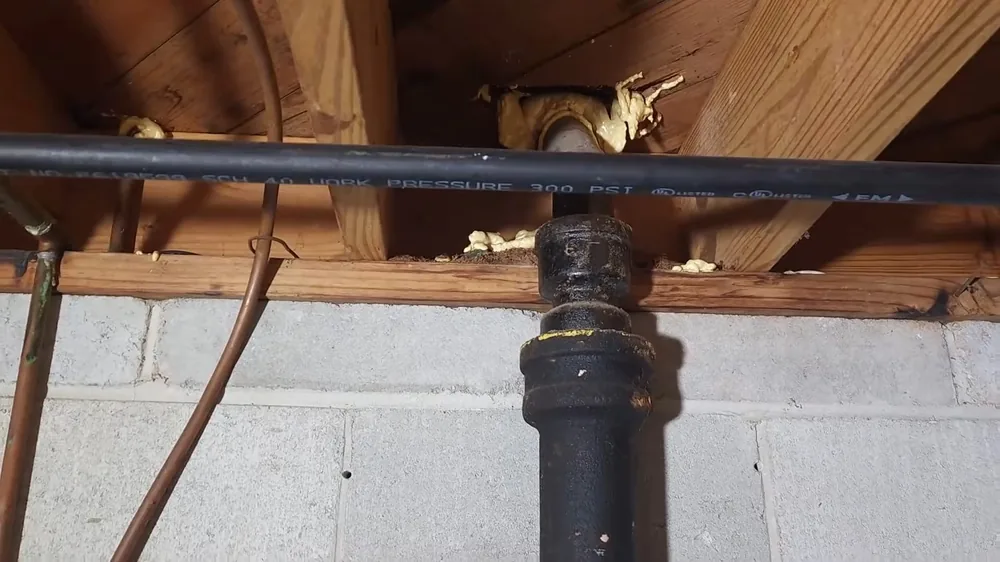
If the camera does show damage, the conversation changes: a cracked line may need a lined or replaced pipe instead. Jetting then comes before lining as the cleaning step.
Whose pipe, and who to call about the street
Jetting a line that belongs to the city is a different matter from jetting your own. City of Albany Utilities runs the public sewer. If several houses on the street back up, report it to the city Sewer Division, which keeps an on-call technician after hours, according to its Sewer Division page. The city pages do not say who owns the lateral, and we will not guess, so ask.
If you rent, tell the landlord or property manager before booking, and ask who authorizes the work. Before anyone starts, ask for the plumber's Georgia license class and look it up through the state license lookup.
A line that keeps clogging? Call the line
Tell the dispatcher how often it clogs and where, and the call is routed to a plumber serving your area.