
Trenchless Sewer Repair · Albany, GA
Trenchless Pipe Lining and Relining in Albany, GA: Fixing a Sewer Line Without Trenching the Yard
Digging up a yard to reach a cracked sewer line is sometimes unavoidable, and sometimes it is not. This page explains when a no-dig repair is a real option, when it is not and how to tell a straight answer from a sales pitch.
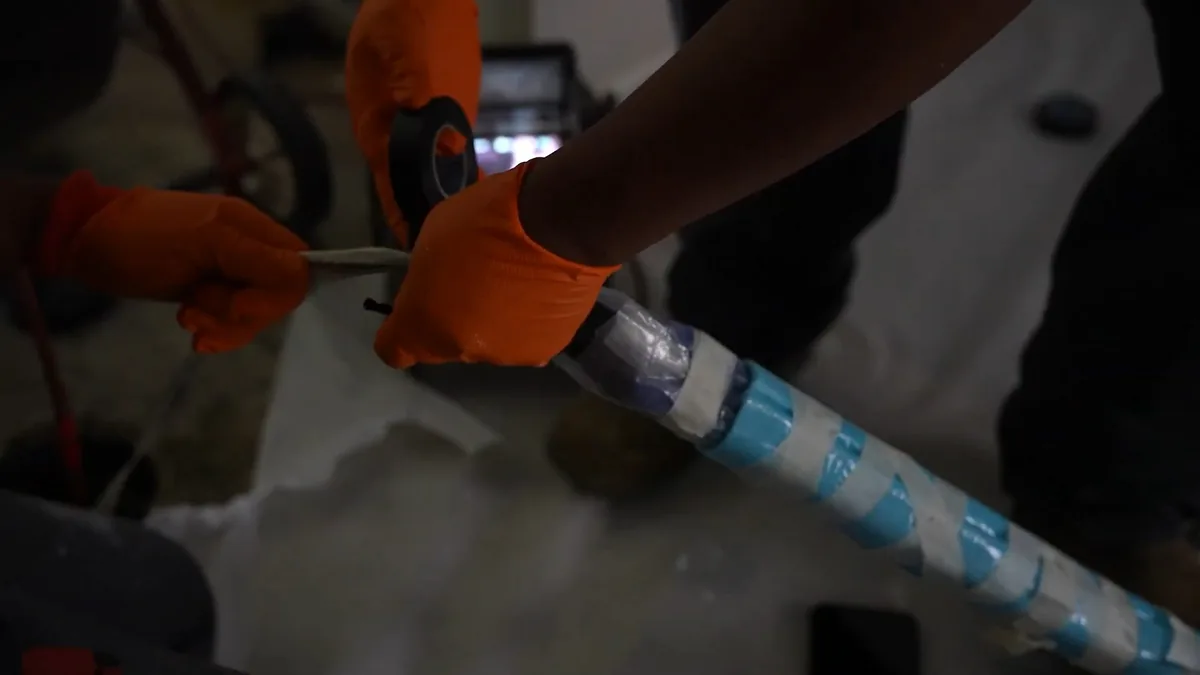
What "trenchless" actually means
Trenchless is not one method. It is a family of repairs that reach a buried pipe through small access points instead of a continuous trench. For sewer lines, two methods are most common. Pipe lining, often called cured-in-place relining, pulls a resin-soaked sleeve through the old pipe and hardens it into a new pipe inside the old one. Pipe bursting pulls a new pipe through while breaking up the old one.
Both need an access pit or two, usually at the cleanout and at the point where the line meets the house or the main. Neither is magic. Each depends on the condition of the pipe, and that has to be seen, not assumed. If the line is only partly damaged, a plumber may recommend a spot repair instead, which is covered under traditional sewer line repair.
Lining, bursting or digging: how the options compare
| Method | What it does | Where it fits | Where it does not |
|---|---|---|---|
| Pipe lining | Forms a new pipe inside the old one | A line that is cracked, has leaking joints or roots entering, but is still continuous | A line that has collapsed, is badly offset or has a belly that holds water |
| Pipe bursting | Replaces the pipe along its path | A line that is failing along much of its length, with room to pull the new pipe through | A line with many connections or tight bends in the way |
| Open trench | Digs down and replaces the pipe | Collapsed or badly offset lines, short repairs and lines with obstructions | Yards with mature trees, driveways or hardscape that make digging costly |
The right choice depends on what the camera shows. If a plumber recommends lining without having seen the inside of the pipe, ask why. If a plumber says it cannot be lined, ask for the footage that shows the reason.
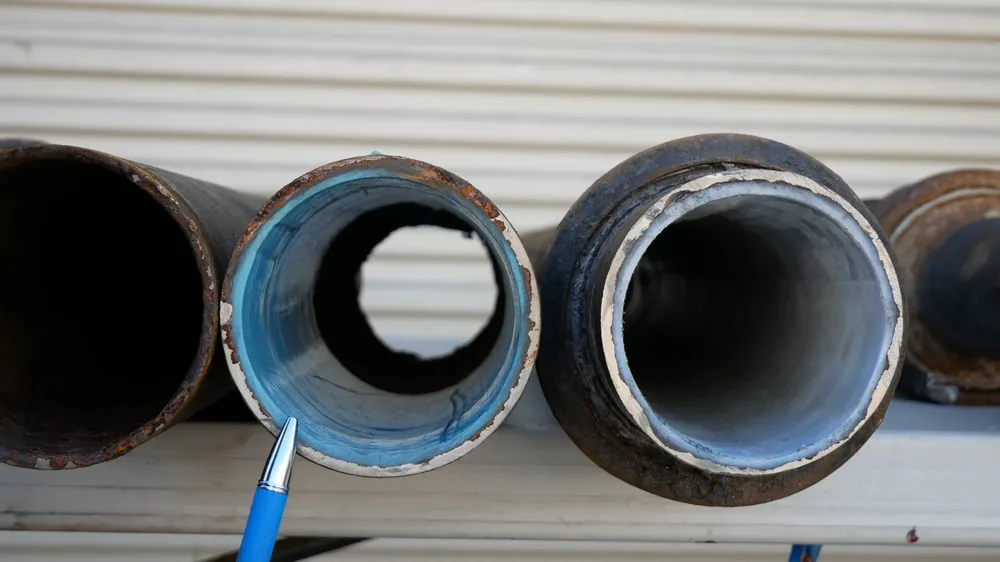
What the camera has to show before anyone recommends no-dig
A trenchless repair is decided by the inspection. Before you agree, you should be able to see the footage and have these questions answered:
- Is the pipe continuous, or are there sections that have collapsed or separated?
- Is the line offset, or does it sag so that water pools?
- How long is the damaged stretch, and how far is it from the cleanout?
- What is the pipe made of, and what is the inside diameter?
- Are there roots, and has the line been cleared before the lining?
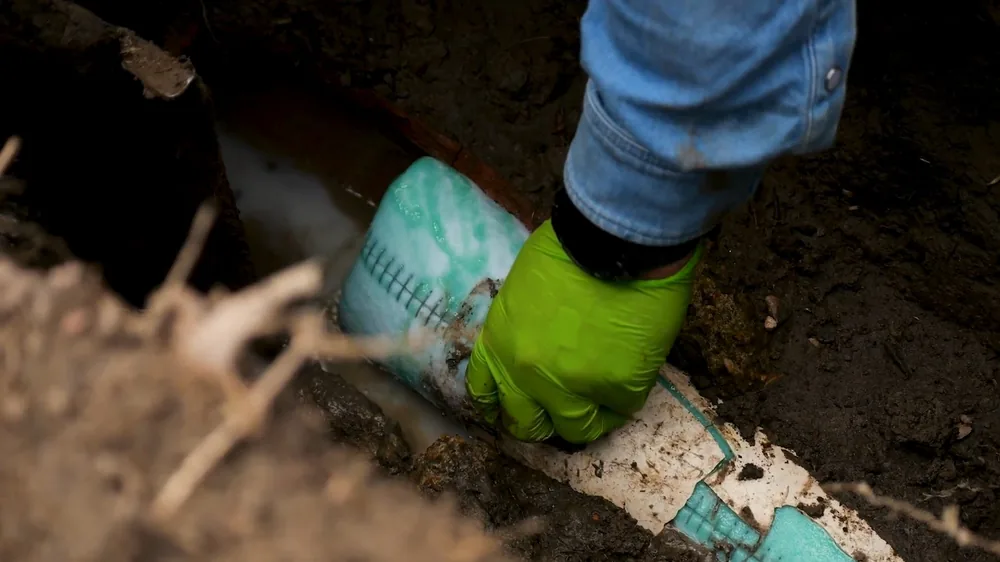
A line is cleaned before it is lined, so ask whether a clearing is part of the visit. The cleaning step is the territory of a high-pressure jetting pass or a cable, and a reputable plan includes a second camera pass afterward to confirm the result.
Before the lining day: what the plumber should do first
The lining itself takes hours, but the preparation decides whether it holds. The sequence below is the one to expect, and any step missing from the quote deserves a question.
- Inspect. A camera runs the full length of the line, with footage saved and the defect located against the cleanout.
- Clear. Roots, scale and debris are removed with a cutter or a jetting pass, because a liner needs a clean wall to bond to.
- Prepare. Access pits are dug at the agreed points after the 811 notice, and any protruding connections are cut back.
- Line. The resin-soaked sleeve is pulled in, inflated against the old pipe and cured, usually with heat or light.
- Reopen and verify. Branch connections are cut open, a second camera pass confirms the result, and the footage is handed over.
Ask how long the line will be out of service, since a household with one bathroom has to plan around it. Ask also where you can shower and flush during the cure, and what the plumber does if the cure fails or the sleeve wrinkles.
Tell the dispatcher what the camera showed or what has been happening. The line is open 24/7.
What to get in writing before a liner goes in
Lining is a specialist job, and the details are what separate a good one from a bad one. Ask for these in writing:
- The length of pipe being lined and the start and end points.
- The liner material and the manufacturer's warranty terms, along with the plumber's own workmanship terms.
- How lateral connections and the cleanout will be reopened or reinstated.
- A post-lining camera pass, with the footage given to you.
- Who calls 811 before the access pits are dug, and who handles any permit and inspection.
Georgia 811 asks for notice at least three business days before digging, with hand digging within 18 inches of marked lines, so the access pits fall under it even if the repair itself is no-dig. If you want to compare quotes, the guide to how plumbing quotes are built explains how scope changes the number.
Why Albany's ground is part of the decision
Albany sits on the Dougherty Plain, which the USGS classes as karst, ground that can hold voids and shift. Two recent city notices show why that matters to anyone considering a liner: a sewer collapse on W. 2nd Avenue in December 2025 and a sinkhole closure at Hilsman Park in June 2026. Neither notice gives a cause, so we draw no conclusion from them.
The practical point is narrower. A liner cannot bridge a void or a collapsed section, so if the camera shows a dropped line or a depression opens above it, the repair is an excavation, not a lining. If you see a depression or a wet spot over a line, photograph it and ask for the camera before anyone quotes a method, and call the city if it is in the public right of way.
Whose pipe it is, and what Albany requires
Ask the city's Sewer Division, listed on its own page, who is responsible for the lateral, since the pages we found are silent. Have the plumber mark on the footage where the defect sits relative to the cleanout.
We could not confirm from a city page whether lining a lateral needs a permit. The city's Development Services office can answer it, and the plumber should say who books any inspection.
Many homes here predate modern pipe materials, and most households rent. If you rent, tell the landlord or property manager before any work and ask who authorizes it. Plumbers who work in Georgia hold a state license, and the state's plumber license page explains how to check one. Slab-related trenchless rerouting is a related method, discussed on the slab leak repair page.
Want a no-dig opinion? Call the line
Tell the dispatcher what the camera showed or what has been happening, and the call is routed to a plumber serving your area.