
Water Damage Restoration · Albany, GA
Water Damage Restoration in Albany, GA: Drying Out After a Leak, Burst Pipe or Flood
The pipe is fixed or the storm has passed, and the house is still wet. This page covers the part after the plumbing: deciding what is clean and what is not, what can dry in place and what has to be removed, and what to get in writing.
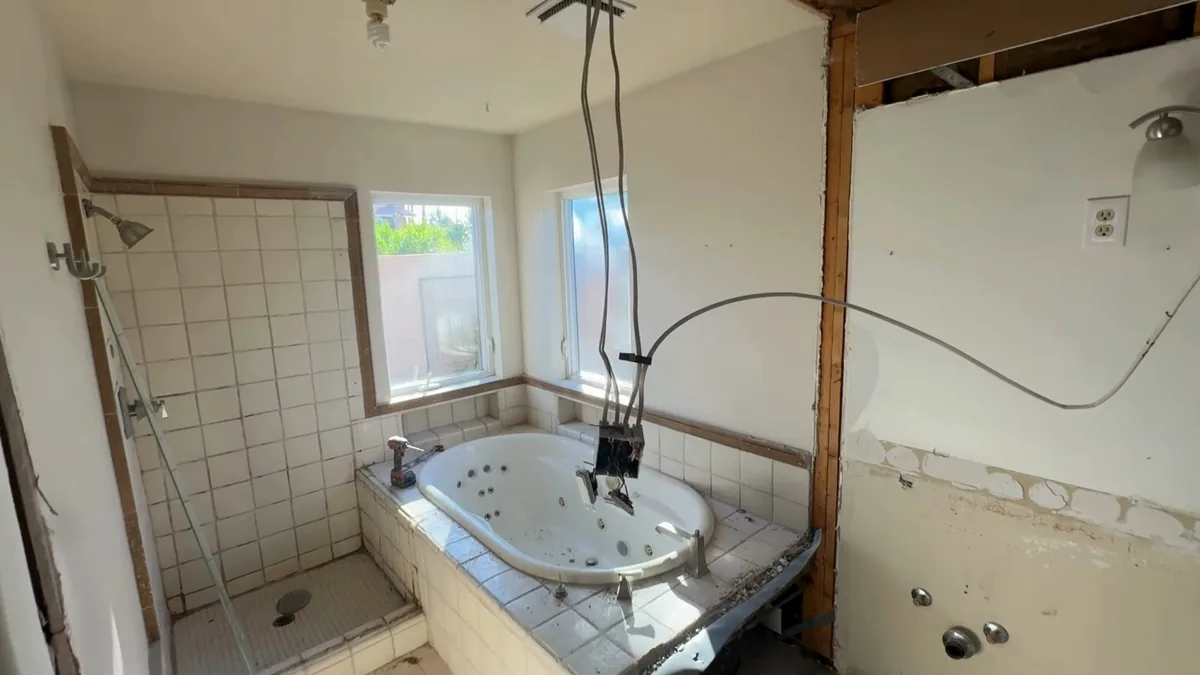
What water damage restoration includes, and what it does not
Restoration here means water removal and drying, plus taking out the materials that cannot be saved. It does not mean the plumbing repair that stopped the water, and it does not mean rebuilding afterward. If the source is still running, stop it first: the steps are on the pages for stopping a burst pipe and finding a hidden leak.
Reconstruction, such as new drywall, flooring and paint, is a different trade. Mold testing is another. We are not describing either one here, and you should be wary of anyone who quotes drying, mold testing and a rebuild as a single job before they have measured anything. The questions below are the ones that settle what your job actually is.
Is the water clean, or is it something worse?
Where the water came from decides how it is handled. Water from a supply line is clean when it spills. The same water becomes a problem as it sits in carpet and insulation. Water that came from a drain, a toilet or a sewer line carries bacteria from the start, and it is treated as a health hazard.
| Where the water came from | How to treat it | What to do first |
|---|---|---|
| A broken supply pipe or a leaking heater | Clean at first, but it degrades if materials stay wet | Stop the water, then start removal and drying the same day if you can. |
| A washing machine, dishwasher or sink drain | Used water, with soap and debris | Remove it and dry the area; porous materials such as carpet pad are often discarded. |
| A toilet, floor drain or sewer backup | Contaminated | Keep people and pets out, do not use fans through the area and call. See fixing the sewer line for the source. |
| Storm or river water | Contaminated and may carry silt | Treat as contaminated and photograph everything before cleanup. |
If you are unsure, assume the worse category. It costs little to treat clean water carefully and a great deal to treat sewage casually.
What can dry in place and what has to come out
Nothing in a wet house dries on its own quickly enough. Air that is already humid, closed windows and wet insulation inside a wall hold moisture for far longer than the surface suggests, which is why the visible damage is usually smaller than the real extent. These rules of thumb help you ask sensible questions.
- Carpet can sometimes be lifted and dried, but the pad underneath is usually discarded.
- Solid hardwood can cup or buckle as it absorbs water, so it needs to be dried quickly and monitored, and sometimes it cannot be saved.
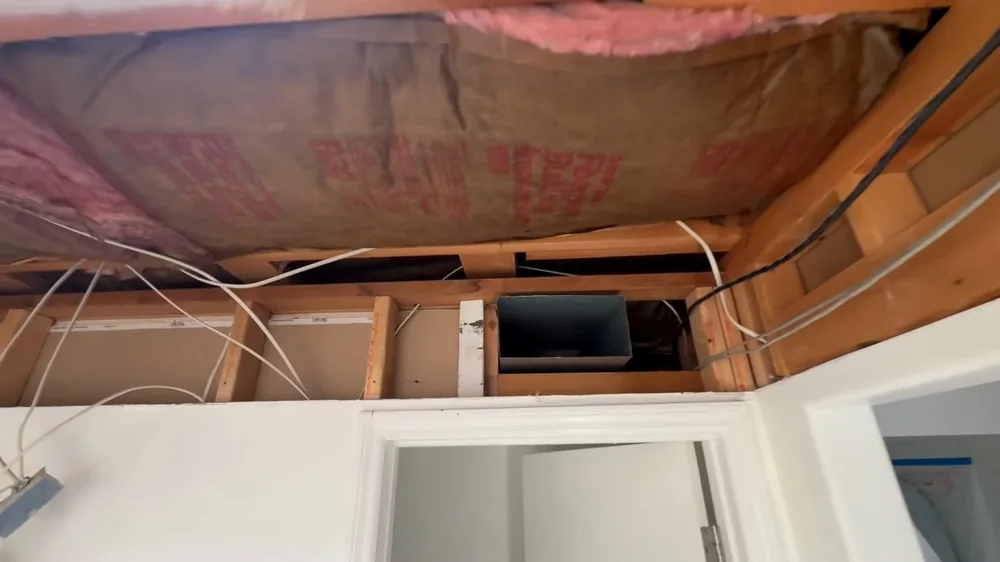
- Drywall that has wicked water upward, or that is stained, soft or bulging, generally has to be cut out.
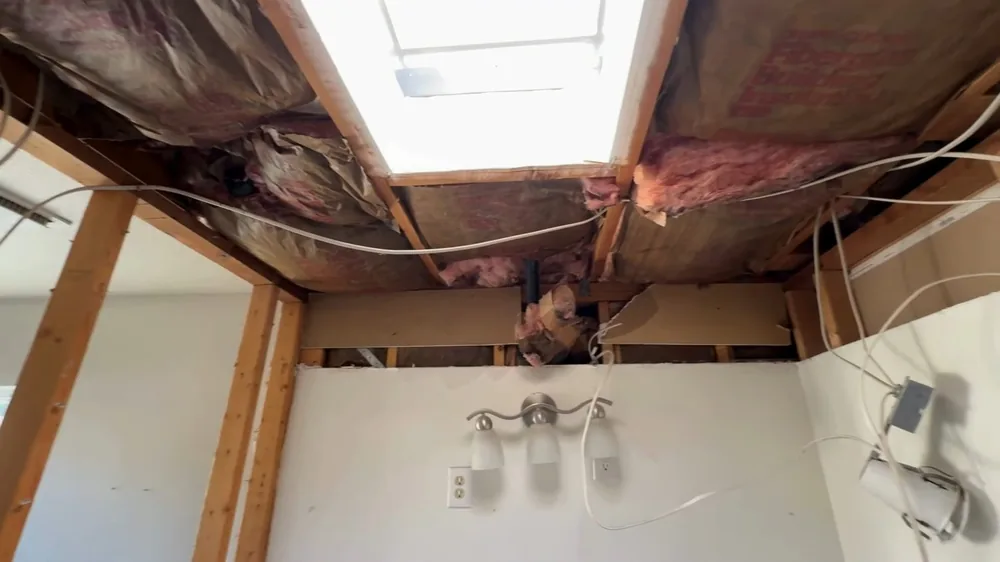
- Insulation that has been soaked loses its value and holds water against framing.
- Ceilings that sag or hold a pool of water are a safety issue. Do not stand under them, and do not poke them.
The honest answer for your house depends on measurements. Ask the crew to take moisture readings of the affected walls and floors, to show you the numbers, and to measure again when they come back so you can see the drying working.
Tell the dispatcher where it came from and what it reached. The line is open 24/7.
What a restoration company should put in writing
A good estimate is a plan, not a figure. Before work begins, ask for:
- Where the water came from and what category of water the crew believes it is.
- Which materials are coming out, and why each one.
- Moisture readings at the start, and when they will be taken again.
- How long the equipment is expected to run and how drying will be confirmed.
- Whether the job includes any rebuilding, or only removal and drying.
Our page on how plumbing and damage work is quoted explains why written scopes matter. Keep photos of everything before it is moved, because the order of events matters to an insurer as much as the damage itself.
What Albany's flood history tells you to ask
The Flint River crested at 43 feet on July 11, 1994, after Tropical Storm Alberto, well above the 37.8 feet recorded in 1925. The Albany Herald's 2019 look back named N. Slappey Boulevard, Whispering Pines Road, Palmyra Park, Dawson Road, Third Avenue and the Albany State area among the places the flood reached. It says nothing about how the sewer or water systems fared.
The action is practical. If your property sits low, and standing water entered it or may do so again, ask the crew about drying and about a sewer line inspection afterward, and ask your insurer whether flood is covered, since standard homeowner policies often do not cover it. In 1994 and again in 1998, floods also damaged the casino at Radium Springs, according to Wikipedia, a reminder that the damage here has not been a one-time event.
Water can enter a house with no river involved. A February 2026 WALB report quoted a South Georgia plumber who traced many frozen-pipe calls to poor insulation, and a split pipe in an attic or wall can wet a ceiling before anyone notices.
When the next step is mold, a landlord or an insurer
Mold can begin to grow where materials stay wet. If you see or smell it after a leak, tell the company at the start, because the plan changes. We have not verified who on the dispatch line removes mold, so ask directly when you call. Mold testing and rebuilding are not what this page covers.
If you rent, tell the landlord or property manager at once and ask who authorizes the work. About 62 percent of occupied homes in Albany are renter-occupied, according to the American Community Survey data reproduced by Point2Homes, so tenants should expect to coordinate. Ask for the dispatcher to note that you rent.
For an insurer, the useful record is photos, a written description of the source, the plumber's note about the repair and the restoration plan. Commercial water damage is a different scale of job, so say it is a commercial property when you call. For any plumbing work on the source, check the plumber's Georgia license class through the state license verification page before work begins.
Wet floors or walls? Call the line
Tell the dispatcher where the water came from and what it reached, and the call is routed to a plumber serving your area.