
Plumbing FAQs · Albany, GA
Plumbing FAQs for Albany, GA: Straight Answers Before You Pick Up the Phone
Short answers to the questions callers ask most, with a link to the full page when a topic needs more room. If your question is not here, call and ask the dispatcher.
When something is going wrong right now
What should I do first in a plumbing emergency in Albany?
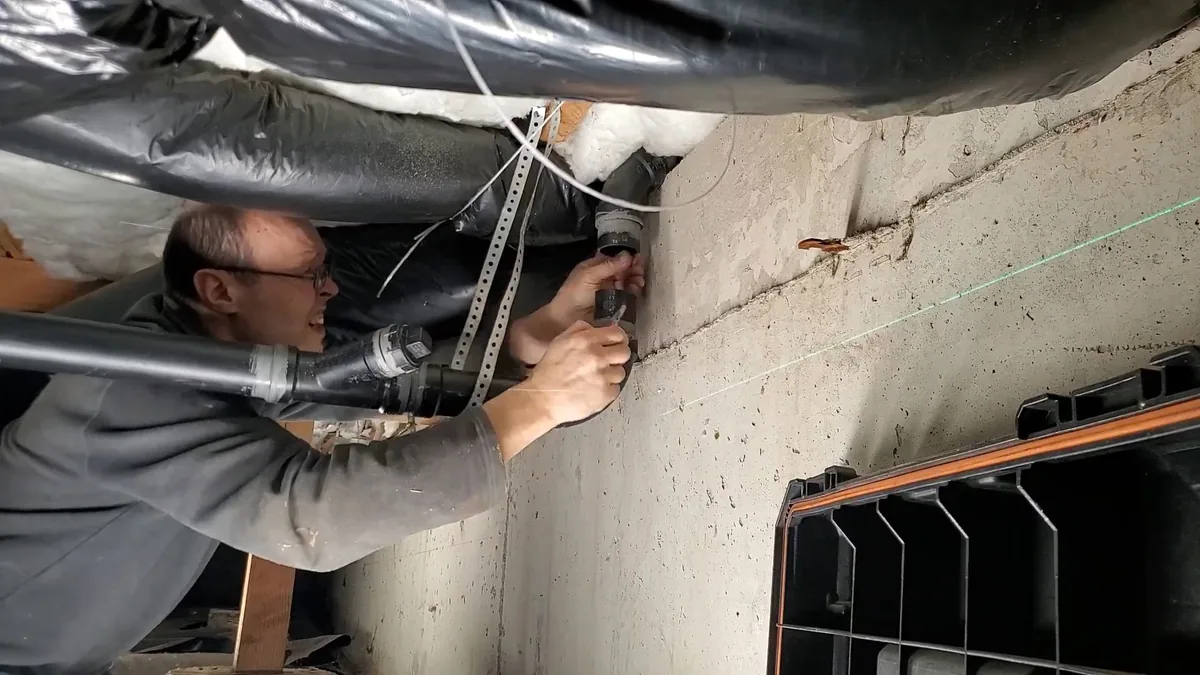
Stop the water at the nearest shutoff, or at the main if you cannot find that one, and keep people away from wet floors near outlets. Then call the dispatch line and say the street, what failed and whether it has stopped. A gas smell is different: leave first. The homepage guide to what cannot wait sorts urgent problems from ones that can be booked for tomorrow.
What do I do after a pipe bursts, before the plumber arrives?
Close the main shutoff, open a faucet at the lowest point to drain the line, and switch off power to any room where water is near outlets, only if you can reach the panel without standing in water. Photograph the damage before moving anything. The first-hour steps for a split pipe walk through it in order.
What should I do if I smell gas near my water heater?
Get everyone out of the building, call 911 from outside and then notify the gas department at City of Albany Utilities. Do not look for the source, switch anything on or off, or relight a pilot. A gas smell is never a plumbing call first. The city utilities page lists the gas department.
Who do I call about a sewer backup, the city or a plumber?
If several houses on your street are backing up, report it to the City of Albany Sewer Division at 229-302-1800, which has an on-call technician after hours. If only your house is affected, start with a plumber. City pages do not say who owns the lateral, so ask the Sewer Division and have the plumber run a camera. See backups in more than one drain.
Leaks, bills and wet ground
How do humidity and heavy rain affect plumbing and drains in Albany?
Albany is humid subtropical, with about 52.5 inches of rain a year in NOAA's 1991 to 2020 normals and the wettest months in summer. Humidity makes pipes sweat and can leave damp cabinets and musty crawl spaces that get mistaken for leaks. Heavy rain saturates the ground, which loads buried drain lines and can push water and roots into weak joints, so drains that slow or gurgle only after storms deserve a camera inspection. If sewage ever backs up into a tub or floor drain, stop using water and call; devices that guard against backflow are not something this site covers, and the plumber can explain what applies to your home.
How can I tell if a high water bill is a hidden leak?
Turn off every fixture and appliance that uses water, then watch the meter indicator for several minutes. If it moves, water is leaving somewhere. If it stops once you close the house shutoff, the leak is inside; if it keeps moving, it is in the line before the house. The meter cannot say where, which is what a leak search is for.
What are the signs of a slab leak?
If your house is on a concrete slab, the clues are a warm spot on the floor, the sound of running water when everything is off, damp flooring and a bill that rose with no change in use. Many Albany homes may not be on a slab; we found no source either way. How a slab leak is confirmed is explained before anyone cuts concrete.
I found a wet spot or a sunken area in my yard. Whose problem is it?
It depends where it is. On your side of the property line it is probably your line, and a plumber should camera it. In the right of way, call the city. Albany has recently closed a street over a sewer collapse and a park over a sinkhole, and neither notice gave a cause, so photograph the spot and get an inspection. The ground and pipe notes on the lining page explain more.
What does water damage restoration actually cover?
Removal of standing water, drying, and taking out materials that cannot be saved. It does not include fixing the plumbing that caused the water, rebuilding walls and floors or testing for mold. Ask any crew for moisture readings, the list of materials coming out and what the job leaves out. See what a drying plan should include.
Ask the dispatcher in your own words. The line is open 24/7.
Water heaters and hot water
Should I repair or replace my water heater?
Replace when the tank itself leaks, when the unit is old and failing in more than one way or when repeated repairs approach the cost of a new one. Repair when the fault is a part, such as a thermostat or an element. Ask for the heater age, the fault and what has already been replaced. The repair page sets out the questions.
How long does a water heater last?
Tank heaters commonly last around a decade, and some go well past it, though that is a general figure and not an Albany measurement. Hard water, a missing drain schedule and a heater in an unheated space can shorten it. A flush on the maker's schedule slows scale, and a heater that rumbles or leaks at the bottom is telling you something.
Do I need a permit to replace a water heater in Albany?
The City of Albany issues plumbing permits through Development Services at (229) 438-3901, and its February 2026 permit list includes water heater replacements. Ask the plumber who pulls the permit and who books the inspection. The permit steps for a replacement cover the process in detail.
Is a tankless water heater worth it?
It depends on the house. A tankless unit needs enough gas capacity or electrical capacity, a proper vent and a plan for descaling. It suits households that run out of hot water and have the supply for it. It suits a house with hard water and no descaling plan much less. The sizing questions for a tankless unit list the sizing questions to settle first.
Phone numbers for Albany plumbing, gas, sewer and permits
| Who | Number | Call about |
|---|---|---|
| Emergency services | 911 | Gas smells, fire, anything life-threatening |
| This dispatch line | (229) 367-1193 | Any plumbing problem, any hour |
| City of Albany Sewer Division | 229-302-1800 | Backups that may be in the public main; after-hours on-call |
| City of Albany Utilities | 229-883-8330 | Water, gas and light service questions, and meters |
| Development Services | (229) 438-3901 | Plumbing permits and inspections |
| Georgia 811 | 811 | Notice before digging, at least three business days ahead |
Drains, digging and pipes
How often should drains be cleaned or hydro jetted?
There is no honest calendar. Let the symptoms set the timing: a line that backs up again within months, a kitchen line with repeated grease trouble, or gurgling at other fixtures when one drains. A camera before and after shows whether the wall is clean. See when jetting beats a cable and ordinary drain clearing.
When is trenchless pipe lining better than digging?
When a camera shows a sewer line that is cracked or leaking at joints but still continuous. It is not an option for a collapsed section or a line that holds water in a belly. Ask to see the footage that supports whichever method is proposed. The lining versus bursting table compares the options.
Do I need to call 811 before a repair?
If the repair involves digging, yes. Georgia 811 asks for notice at least three business days ahead, and hand digging within 18 inches of marked lines. A homeowner or the excavator can make the call, so ask the plumber who will. The Georgia 811 guide explains how the process works.
When is repiping better than repeated leak repairs?
When leaks keep turning up in different places, the water runs brown after sitting or pressure has fallen across the house, and a plumber who has examined the pipe can show you why it is worn out. One leak is a repair. A pattern may be a repipe. See partial versus whole-house repiping before agreeing to a large job.
Cost questions? The cost guide explains how plumbing quotes are built, with wide ranges and no exact figures, because the right number depends on what the plumber finds.
Fixtures, hard water and paperwork
Why does my toilet run on its own?
Almost always a flapper that no longer seals or a fill valve that does not shut off. Add a few drops of food coloring to the tank, wait fifteen minutes and see whether color reaches the bowl. If it does, water is slipping past the flapper. The running-toilet dye test is set out step by step, along with clogs.
My garbage disposal hums or jams. What can I check?
Switch it off at the wall first, then turn the blades with the hex socket under the unit and press the red reset button. Never put a hand in the disposal. If the reset keeps tripping or the cabinet is wet, stop. The disposal symptom table sorts a jam from a leak.
Should I repair or replace a dripping faucet?
A drip from the spout is usually a worn cartridge or seat and a repair. A faucet with a corroded body or a flaking finish is better replaced. Close the valve under the sink first, and photograph the faucet. See which fixture part is failing.
Is Albany water hard, and do I need a softener?
A USGS report calls the local aquifer's water hard, but the city's 2025 water quality report lists no hardness value, so test your tap before buying anything. A test result, not a sales pitch, should decide the equipment. The softener and filter comparison explains the difference.
How do I protect pipes from freezing in Albany?
Wrap supply lines in attics, garages, sheds and under the house, disconnect outdoor hoses and learn where the shutoff is. In January 2024 City of Albany Utilities advised running both taps and keeping the thermostat at 50 degrees when away. A February 2026 WALB report blamed thin insulation for most frozen-pipe calls.
I rent. Who calls the plumber, and who pays?
Tell the landlord or property manager first, in writing, with the date and a photo. About 62 percent of Albany homes are renter-occupied in American Community Survey data via Point2Homes, so this is common. We have not verified Georgia landlord-tenant rules, so we cannot say who pays; ask the landlord or a tenant resource.
How do I check a plumber's license in Georgia?
Georgia licenses plumbers as journeyman, Class I master or Class II master, through the Secretary of State. Ask for the license class and look it up on the state plumbers page before work begins. A license class tells you the scope of work the plumber may take.
Still not sure? Call the line
Describe what you see and give the address, and the call is routed to a plumber serving your area.