
Toilet Repair · Albany, GA
Toilet Repair in Albany, GA: Running Water, Slow Flushes and a Base That Rocks
A toilet fails in a handful of predictable ways, and most of them have a clear sign. This page walks through the common ones, what you can safely do yourself and when a clog is a symptom of something bigger.
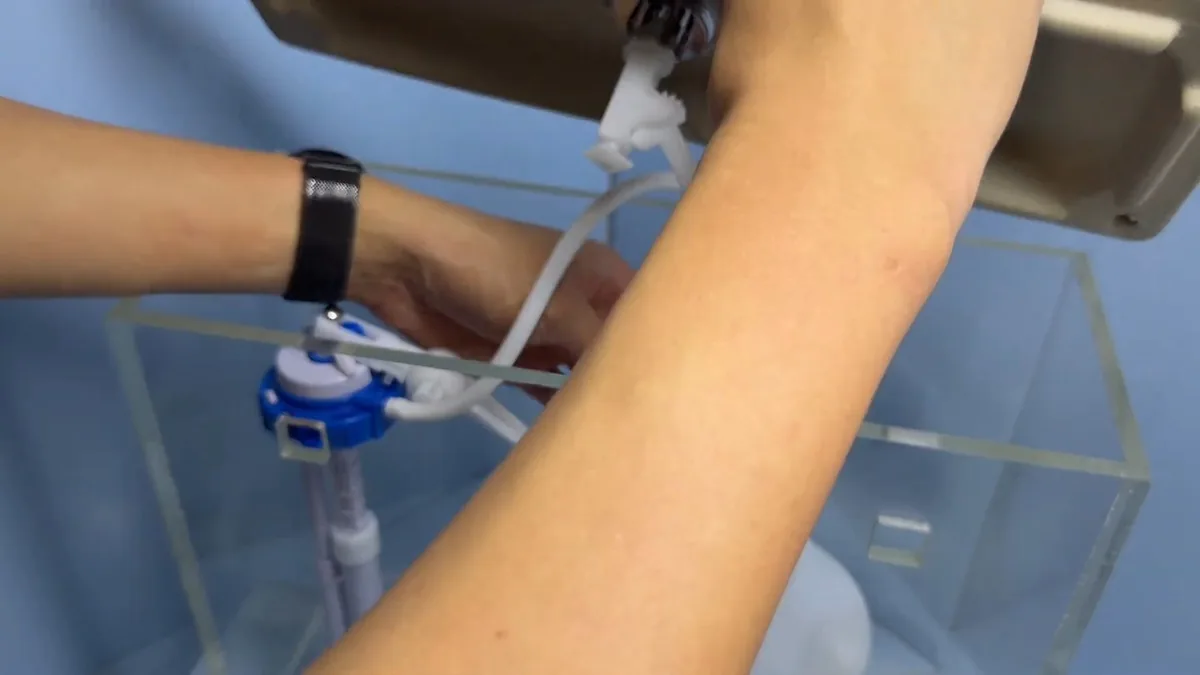
The toilet that will not stop running
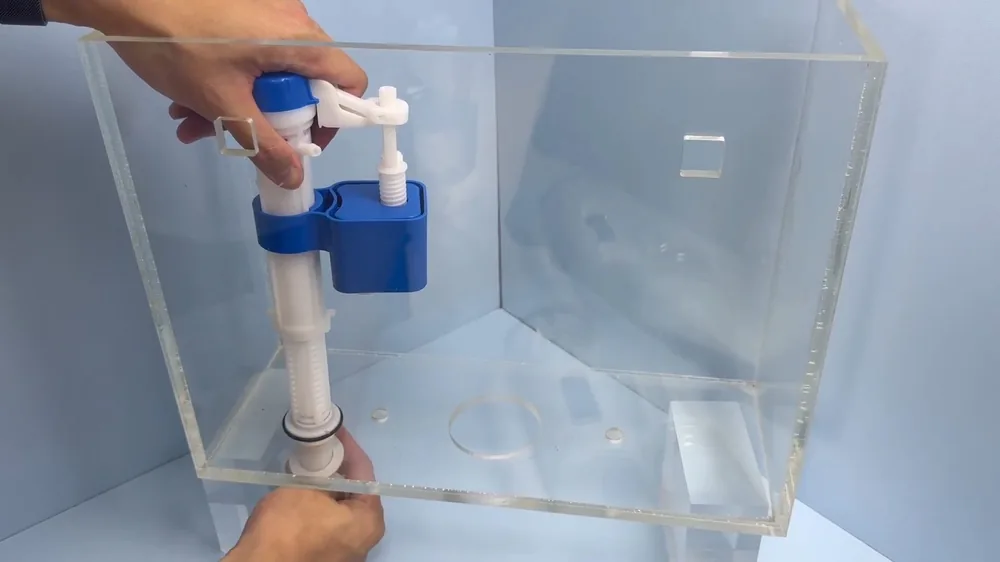
A running toilet is the quiet one. It rarely floods, and it can still add to the water bill every month. The cause is nearly always inside the tank: a flapper that no longer seals, a fill valve that does not shut off, or a chain that is too tight or too loose. The test below takes ten minutes and tells you whether the tank is leaking into the bowl.
- Add dye. Put a few drops of food coloring in the tank and do not flush.
- Wait. Give it fifteen to twenty minutes without using the toilet.
- Look in the bowl. If color appears, water is slipping past the flapper, which is a silent leak.
- Check the water level. If water is spilling into the overflow tube, the fill valve or float needs adjusting or replacing.
- Replace the part. A flapper or a fill valve is a standard part and a short visit.
If you rent, tell the landlord or property manager rather than waiting for the bill. A silent leak can waste a lot of water without a single sign on the floor.
Why the bill matters
A water meter that keeps moving or a high bill is one of the most common reasons people phone about hidden water, and a running toilet is the easiest source to rule out. Before suspecting the yard line or the slab, close the toilet's shutoff behind the bowl, check the meter, and see whether it stops.
City of Albany Utilities, at 229-883-8330, is the place to ask where your meter is and how to read it. If the meter moves with every fixture off, the leak is elsewhere, and the pages on hunting down a hidden leak and slab leaks take it from there.
Tell the dispatcher what it does and whether water is on the floor. The line is open 24/7.
Clogs: plunger first, then the question of why
A single clogged toilet is usually a local problem. A flat-bottomed plunger, used with a good seal and steady strokes, clears most of them. A toilet auger reaches further without scratching the porcelain. Two things should stop you and prompt a call: a clog that returns within days, and any sign that the problem is not only in the toilet.
| What else is happening | What it suggests | What to do |
|---|---|---|
| Only this toilet clogs | A local blockage or a partial obstruction | Plunger or auger; call if it returns. |
| Tub or shower gurgles or fills when the toilet flushes | A blockage in the shared line | Stop using water and call. See clearing a shared drain line. |
| Several fixtures back up, or a floor drain does | A main sewer line problem | Treat as urgent. See sewer line repair. |
| Water or sewage rising on the floor | A backup | Keep everyone out, stop using water and call. |
Clogged-toilet work belongs to this page rather than drain cleaning, so we handle it here first. If several drains slow together, the Sewer Division of the City of Albany takes reports, including after hours, since it may be in the public main.
A toilet that rocks, weeps at the base or smells
A toilet should not move. If the bowl rocks, the bolts are loose or the floor under it has softened. If water seeps around the base after a flush, or a sewer smell lingers, the wax ring or its modern replacement has failed. Tightening the bolts can stop a rock, but it will not fix a ring that has lost its seal.
- Does the toilet rock side to side, and is the floor around it soft or stained?
- Is the seep at the base, the tank bolts or the supply connection? Dry everything and watch.
- Is the flange, the ring on the floor that the toilet sits on, cracked or below the finished floor?
- Has the seep been going on long enough to damage the subfloor?
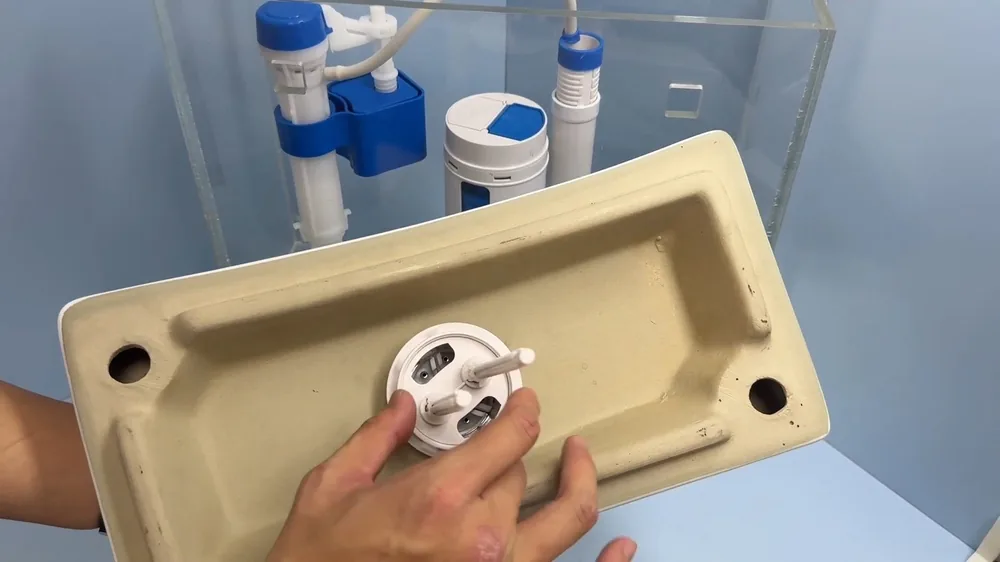
If the subfloor is damaged, the repair becomes bigger than the toilet, and the plumber should say what they found. When a floor has been wet a long time, ask whether drying is needed too, as set out under water damage restoration.
Replacing or relocating a toilet
A new toilet is a worthwhile swap when the old one has a cracked bowl, a failing tank or a flush that no longer clears. Check the rough-in distance, which is the measure from the wall to the center of the drain, because a new toilet must match it. The quote should cover the toilet, the new wax ring or seal, the supply line and the shutoff if it is worn, and the removal of the old one.
Moving a toilet is plumbing, not a swap. It means a new drain, a vent and often an opened floor, so ask for the scope in writing. If the job moves the drain, ask the plumber who handles the permit, since we found no city statement on like-for-like swaps and the rules behind the work are laid out on the permit steps for a heater replacement page.
Older homes, tenants and checking the plumber
The median home here dates from 1974, so many bathrooms still have a decades-old fill valve, a stiff supply line or a flange that has seen better years. Replacing the small parts at the same visit often saves a second one. At about 62 percent renter-occupied, per American Community Survey data via Point2Homes, many calls begin with a tenant: report it to the landlord in writing, with photos, and ask who authorizes the work.
Use the Georgia Secretary of State's page to check a plumber's license class before work begins. Commercial restrooms should say so when they call, since the fixtures and the codes differ.
After any repair, flush several times and watch the base and the supply connection for a few minutes. A slow seep often shows only on the second or third flush, and catching it while the plumber is still on site is easier than booking a return visit.
Toilet trouble? Call the line
Tell the dispatcher what the toilet is doing and whether water is on the floor, and the call is routed to a plumber serving your area.